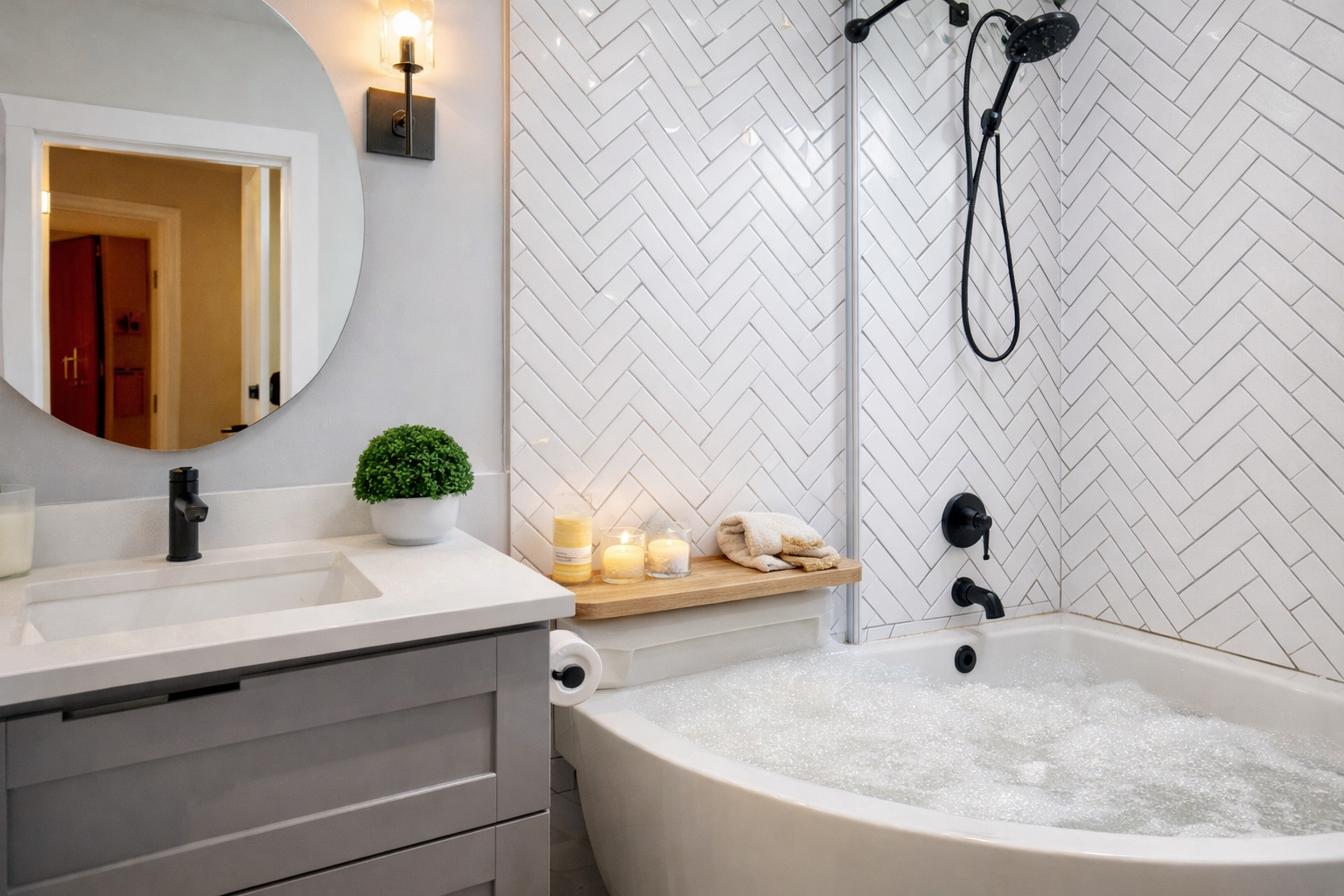
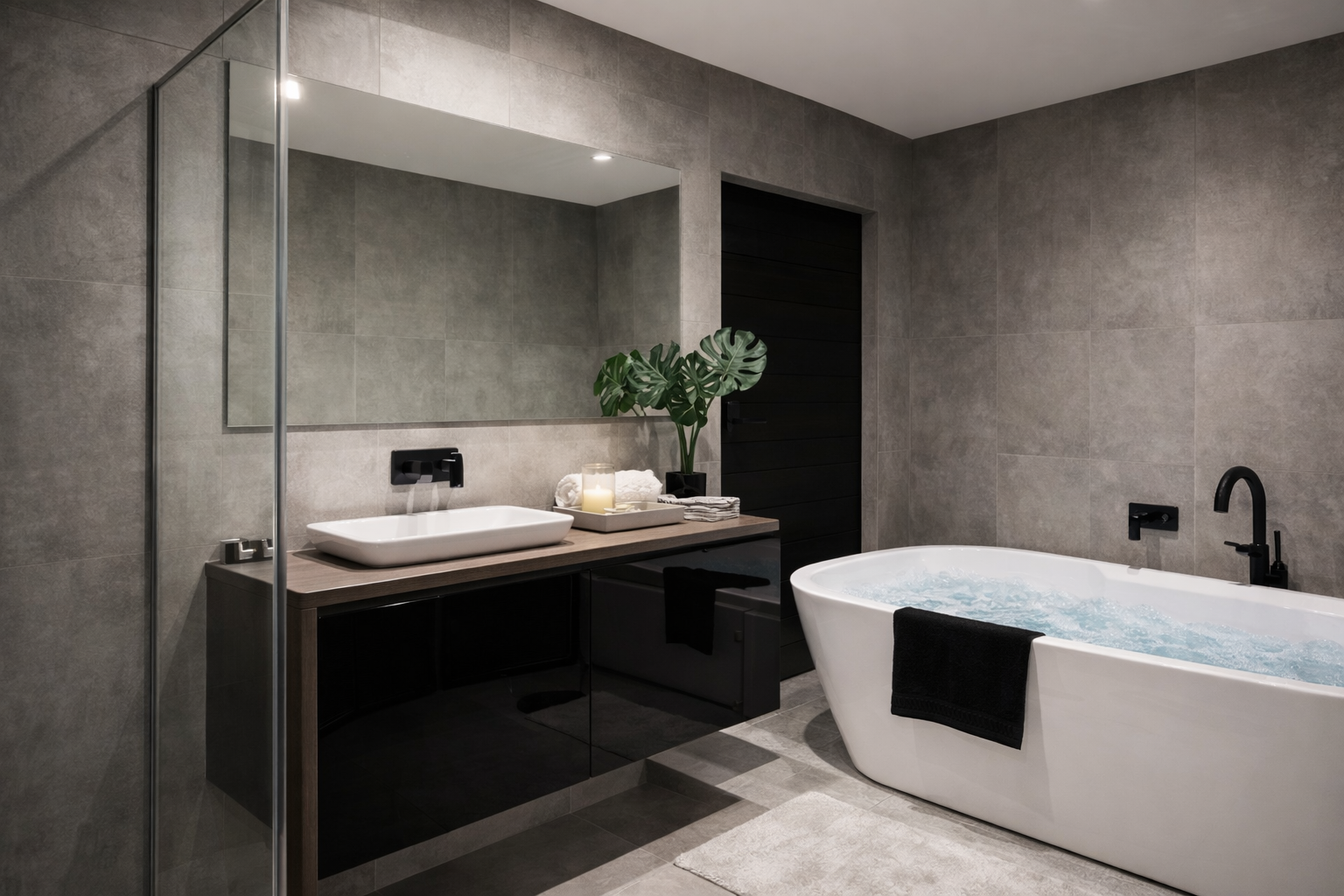
A jacuzzi isn’t just a tub with jets — it’s a hydrotherapy system, electrical fixture, and structural load all in one. Most buyers focus on price and design, then run into expensive surprises during installation. Here’s how to get it right.
1Acrylic shell quality matters most
Look for cast acrylic (not vacuum-formed) with at least 5mm thickness, reinforced with fibreglass backing. Cheap shells yellow, crack or fade in 2–3 years.
What to ask“Is it cast acrylic or thermoformed? What’s the thickness?” If they can’t answer, walk away.
2Jet count is overrated
“32 jets!” sounds great in showrooms, but more jets at lower pressure feels worse than fewer high-pressure ones. Motor wattage and zone control matter more.
Sweet spotSingle tub: 12–18 jets. Couple’s tub: 20–28. Beyond that is marketing.
3Motor brand & warranty
Pumps fail first. Cheap unbranded motors die in 2–3 years. Branded ones (LX, Balboa, Gecko) last 8–12 years.
Warranty testGet the motor warranty in writing. Less than 2 years = low-grade unit.
4Sizing for Indian bathrooms
Compact: 1500x800mm. Standard: 1700x800mm. Couple: 1800x900mm. Luxury: 2000mm+. Always measure your doorway too.
Reality checkFor a comfortable single soak, you need 1700mm minimum. Anything less = sitting upright.
5Plumbing & electrical needs
You need a 16A power point, 1/2" water inlet, 50mm drain, and an access panel. Civil work alone runs ₹15,000–₹40,000.
CriticalThe supply MUST have an ELCB (Earth Leakage Circuit Breaker). Non-negotiable for safety.
6Hidden costs to budget
Beyond the tub: delivery (₹5–15K), installation (₹10–25K), civil work (₹15–40K), possibly a geyser upgrade.
True costAdd 25–40% to listed price for realistic total. “All-inclusive” must be in writing.
Realistic Jacuzzi Pricing in India
2026 EstimatesEntry Level (single)₹85K – ₹1.5LStandard size, 8–12 jets, basic controls. Good for guest bathrooms.
Mid-Range (most popular)₹1.5L – ₹3.5LBetter acrylic, branded motor, 16–20 jets, chromotherapy lighting.
Premium (couple’s)₹3.5L – ₹7LLarger size, 24+ jets, Bluetooth audio, smart controls.
Luxury / Custom₹7L – ₹20L+Made-to-spec, designer finishes, hospitality grade.
Want a realistic quote?
Send your bathroom dimensions — factory-direct quote within 24 hours, no padding.
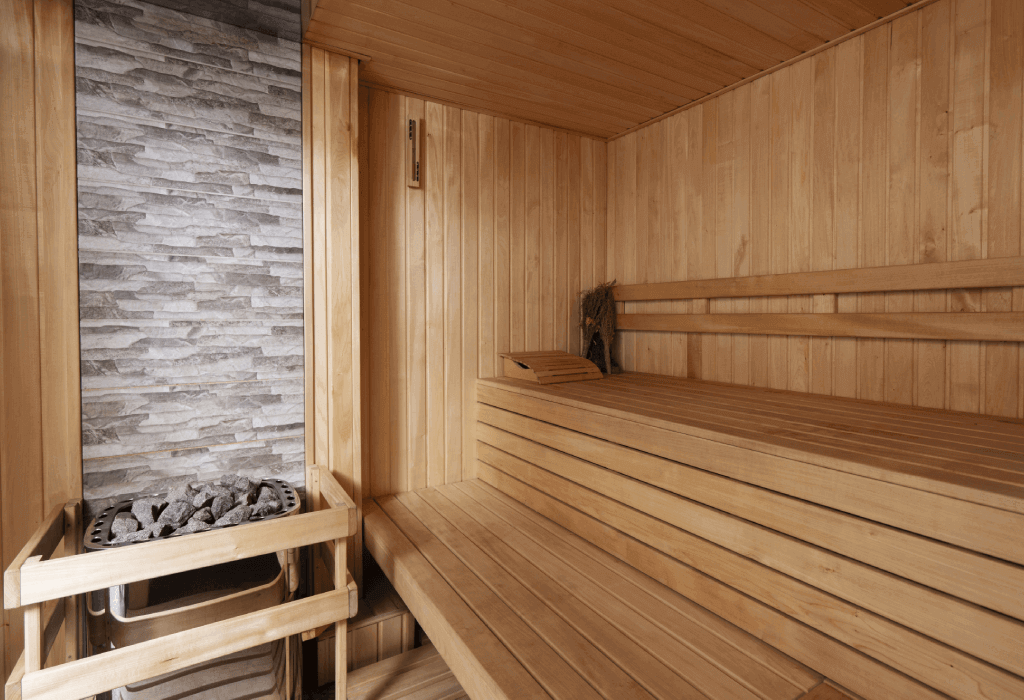
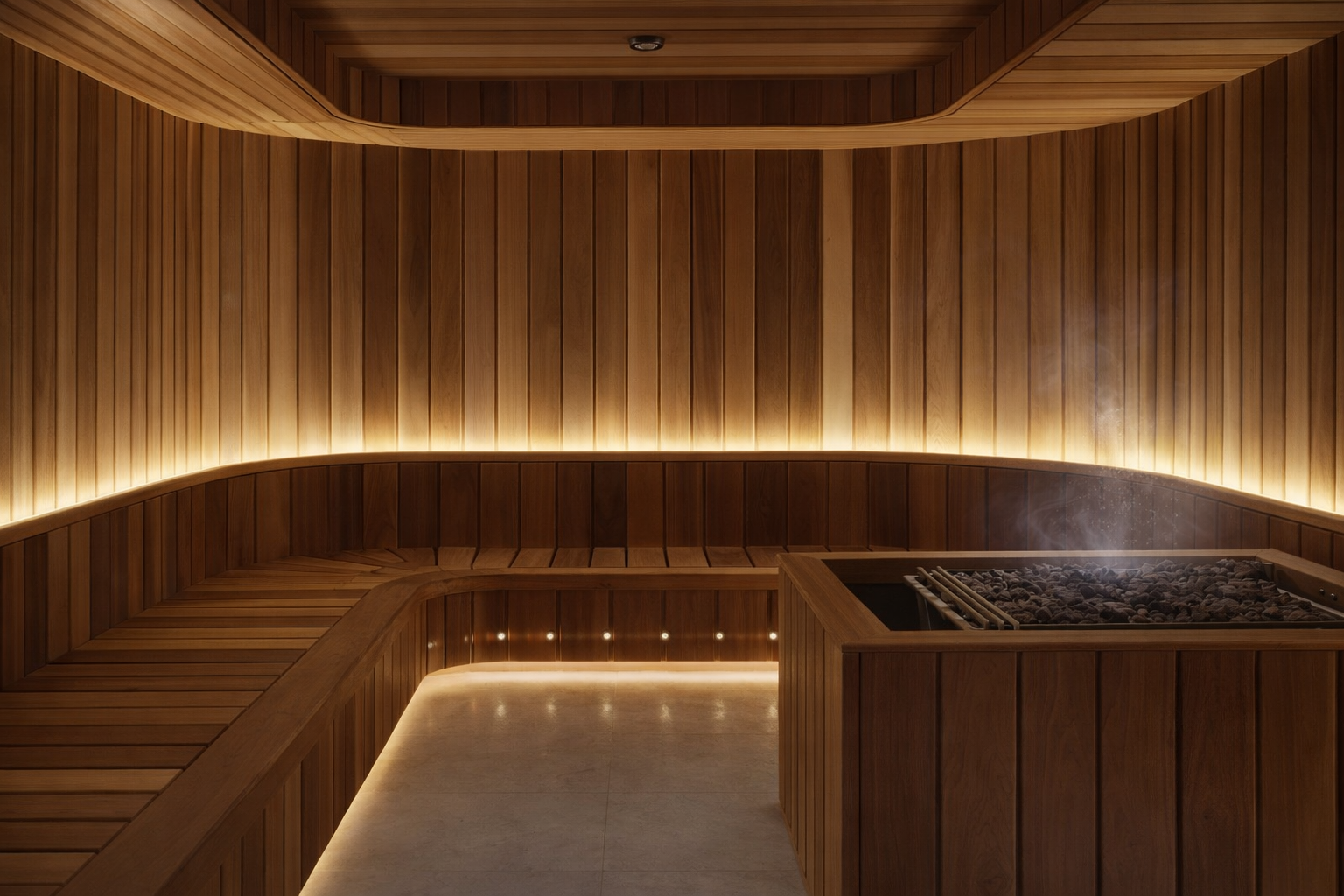
A sauna is a wooden room that hits 70–95°C with low humidity. Sounds simple — but wood choice, heater type, ventilation and electrical load decide whether it’s a 20-year heirloom or a damp box you stop using in six months.
1Traditional vs Infrared
Traditional Finnish: electric heater + stones at 80–95°C. Infrared: light panels at 50–60°C. Traditional gives the deep-sweat classic; infrared is gentler and uses less power.
Quick ruleWant spa experience? Traditional. Daily wellness for 1–2 people? Infrared.
2Wood type changes everything
Western Red Cedar (best smell, moisture-resistant), Hemlock (affordable, neutral), Aspen (allergen-free), Nordic Spruce (traditional).
Indian climateCedar and Hemlock handle humidity best. Avoid pine — warps within 2 years here.
3Sizing rule of thumb
0.5 sqm per seated person, +1.0 sqm if anyone wants to lie down. 2-person: 4x4 ft. 4-person: 5x6 ft. 6-person: 6x8 ft. Ceiling: 2.0–2.1m.
Don’t oversizeBigger sauna = longer heat-up + more electricity. Most home saunas only see 2 users anyway.
4Heater capacity is critical
Roughly 1 kW per cubic metre. A 6 m³ sauna needs 6 kW. Undersized = never heats properly. Oversized = short-cycles and fails early.
BrandsHarvia, Helo, Tylo. Avoid generic units — 3–5 year lifespan vs 12–15 for branded.
5Electrical & ventilation
6 kW sauna needs 3-phase or heavy single-phase (32A breaker minimum). Passive vents only — intake near heater, exhaust diagonal opposite.
Get checkedHave your electrical load assessed before ordering. Adding 6 kW to an undersized panel = fire risk.
6Indoor vs outdoor
Indoor is simpler. Outdoor needs weather sealing, monsoon protection, foundation. Outdoor adds ₹50K–₹1.5L.
Best locationNear a bathroom for cooldown shower. Bedroom-adjacent works if soundproofing is good.
Realistic Sauna Pricing in India
2026 Estimates2-Person Infrared₹1.5L – ₹3LCompact, plug-and-play, low power. Daily personal use.
2-Person Traditional₹3L – ₹5.5L4–6 kW heater, controls, benches, basic timber.
4–6 Person Custom₹5.5L – ₹12LCustom dimensions, premium cedar/hemlock, branded heater.
Commercial / Resort₹12L – ₹30L+Heavy-duty, high-traffic timber, multi-user benches.
Need sauna sizing help?
Send your space dimensions and intended use. We’ll recommend size, heater capacity and timber type.
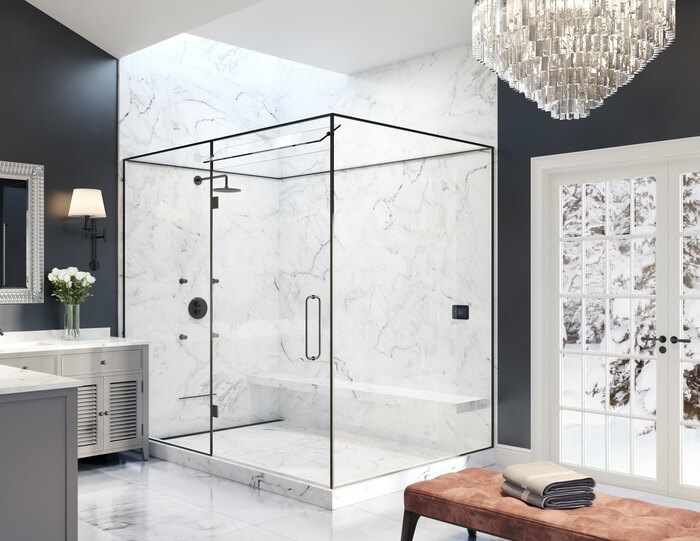
Steam rooms run at 40–50°C but at 100% humidity — completely different from saunas. They need to be 100% waterproof; one weak seam = water damage in months. Most regrets come from cheap waterproofing or undersized generators.
1Generator sizing is non-negotiable
4.5 kW for up to 4 m³, 6 kW for 4–6 m³, 9 kW for 6–9 m³, 12 kW for 9–13 m³. Undersized generators run constantly and burn out.
BufferHeavy stone walls absorb heat — add 20% capacity if you have stone surfaces.
2Waterproofing makes or breaks it
Full epoxy/polyurethane membrane on walls, floor AND ceiling. Yes, ceiling — steam rises, condenses, drips back. Cheap waterproofing fails in 18 months.
SpecifyInsist on 2 coats minimum + vapor barrier. Get warranty in writing.
3Tile & material choices
Use porcelain or natural stone (granite, marble). Avoid ceramic with high water absorption (above 0.5%) and any wood/glass mosaic.
Slope floor1:80 toward drain. Otherwise water pools and grout fails fast.
4Ceiling design prevents drips
Flat ceiling = drips on your head. Always slope at 5–10° toward a wall so water runs down the side.
DomedFor luxury: a slight dome prevents drips and looks architectural. Worth the extra cost.
5Door and seating
Frameless tempered glass door (8–10mm) with steam seals on all four sides. Seating: tile-clad masonry benches, never wood (rots in 3 years).
GlassCheap glass shatters under thermal stress. Insist on certified toughened glass.
6Water connection & drain
Generator needs continuous water (3/8" line) and drain for auto-flush. Place generator within 7m of room — longer runs lose pressure.
Hard waterMost Indian cities have hard water that scales generators in 2–3 years. Get a softener.
Realistic Steam Room Pricing in India
2026 EstimatesCompact (in shower)₹1.2L – ₹2.5LGenerator + controls + door for existing shower. Tile work separate.
Standalone Residential₹2.5L – ₹6LFull setup: generator, waterproofing, tile, glass door, lighting.
Premium with Aromatherapy₹6L – ₹12LLarger, scent injection, chromotherapy, audio, premium materials.
Commercial / Hotel₹12L – ₹40L+Heavy-duty, multi-user, 12+ hour daily operation.
Plan your steam room properly
Steam rooms have more failure points. Talk to us early — even before tile selection — to avoid rework.
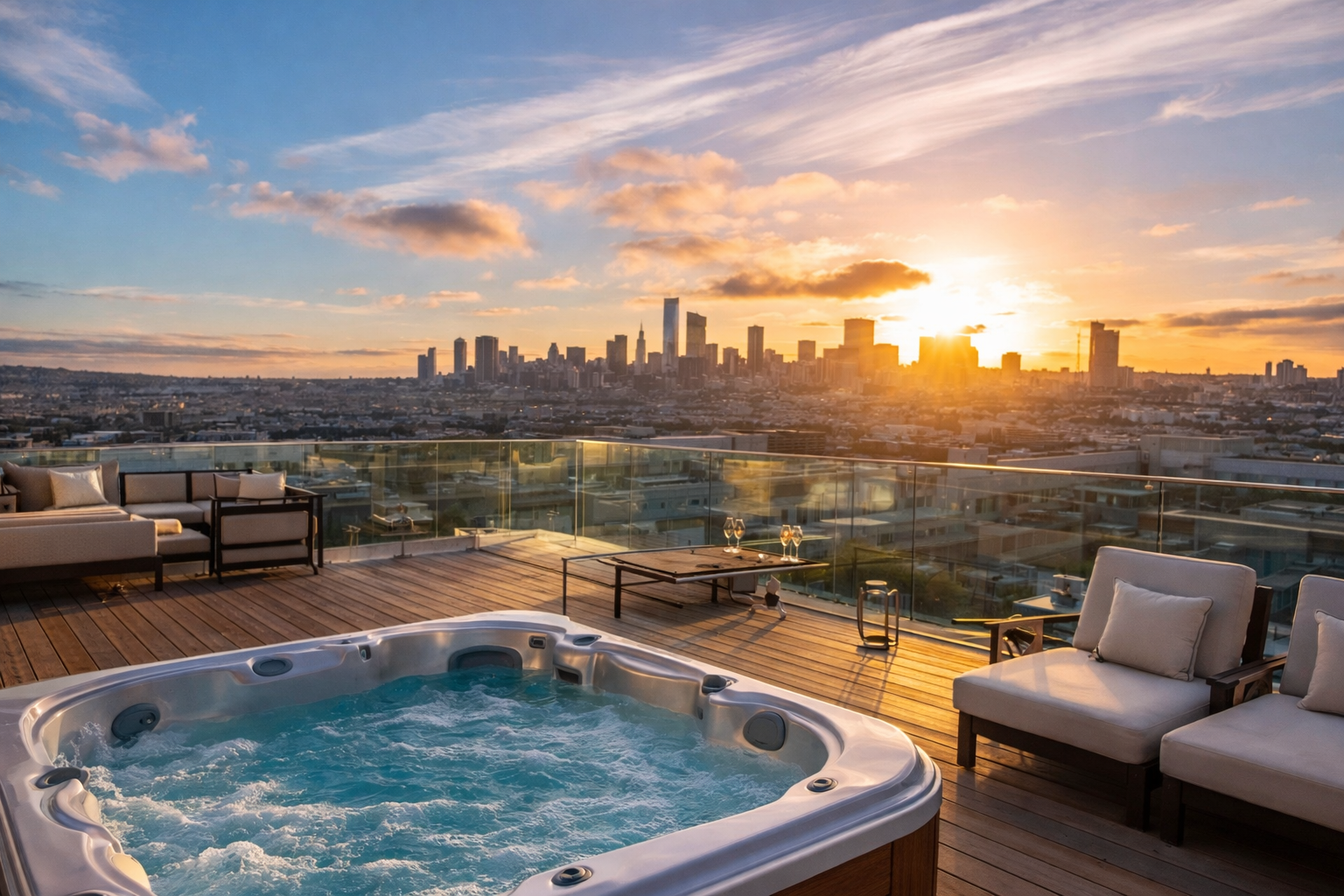
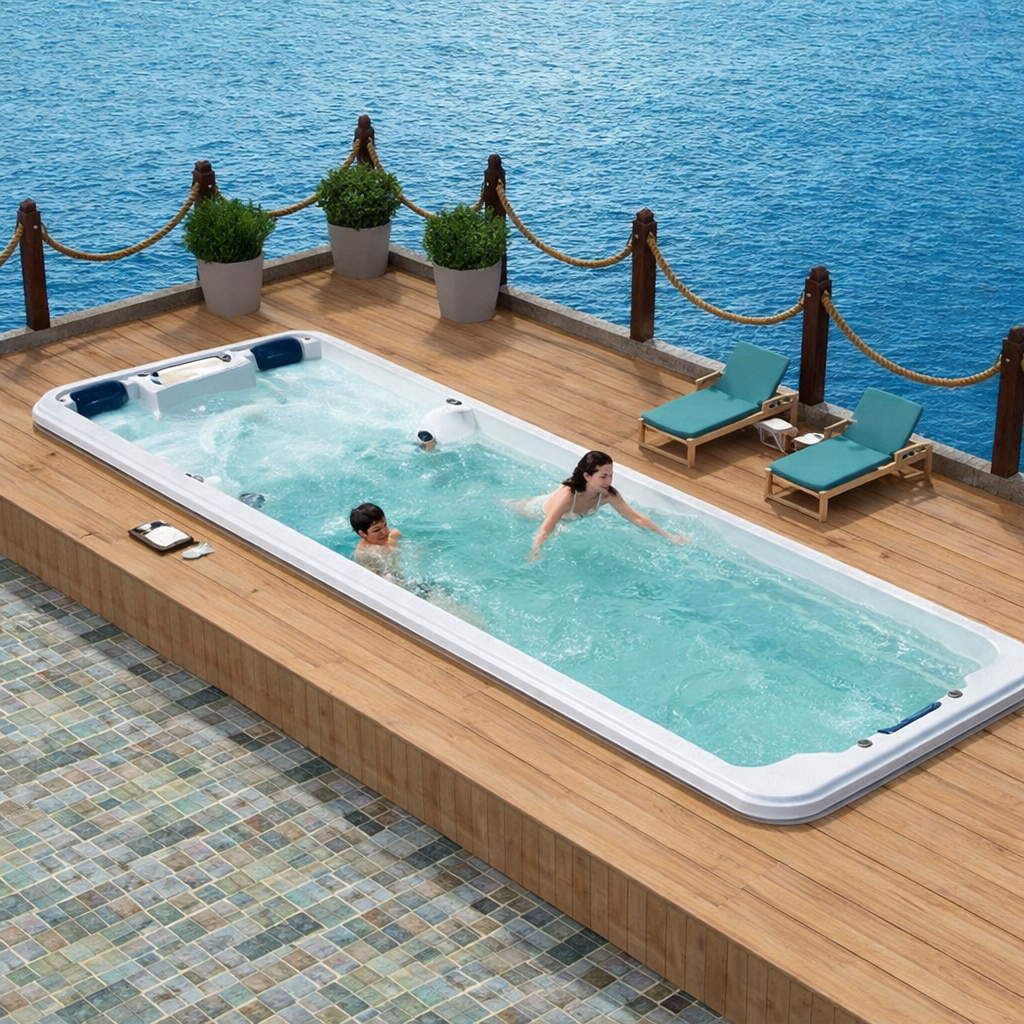
Hot tubs are big, heavy, electricity-hungry beasts that sit outdoors and need water replacement, chemicals and structural support. Swim spas combine hot tub + current pool. Both are amazing — and both are nightmares if you skip planning.
1Hot tub vs swim spa
Hot tub: hydrotherapy, 4–8 people, 38–40°C. Swim spa: adds current generator for swimming-in-place. Swim spas are 2–3x bigger and cost more.
Pick by useMainly relaxation? Hot tub. Want swimming/fitness? Swim spa.
2Structural support is critical
Filled hot tub: 1500–3000 kg. Swim spa: 8000–14000 kg. Your terrace/balcony/deck must handle it. Ground-level is simplest.
Don’t skipGet a structural engineer to certify. We’ve seen balconies crack from incorrect installs.
3Power & heating
Hot tubs: 4–6 kW heating + jets = 32A 3-phase typical. Swim spas: 8–14 kW. Running cost in India: ₹4,000–₹8,000/month for regular use.
Insulation mattersQuality insulation cuts running costs in half. Cheap units bleed heat.
4Water care & chemicals
Water lasts 3–4 months with proper chemistry, then full replacement. Chlorine/bromine, pH adjusters, weekly shock. Budget ₹800–₹2,000/month.
SaltwaterSalt chlorinators add ₹50K+ but reduce chemical handling. Worth it for daily users.
5Indoor vs outdoor
Outdoor is the norm. Indoor needs serious dehumidification or it’ll destroy ceilings, paint, woodwork. Indoor adds ₹2L–₹5L for HVAC.
ClimateMumbai/Goa monsoons? Build a pergola. Direct rain on covers = water inside.
6Delivery and crane access
Hot tubs/swim spas don’t fit through doors. Crane access required. Confirm crane reach during planning — #1 reason for delays.
Site surveyInsist on physical site survey before manufacturing. Photos aren’t enough.
Realistic Hot Tub & Swim Spa Pricing
2026 EstimatesEntry Hot Tub (4-person)₹3.5L – ₹6LBasic hydrotherapy, standard insulation. Occasional use.
Premium Hot Tub (6–8 person)₹6L – ₹14LMulti-zone jets, premium insulation, lighting, audio, smart controls.
Swim Spa (compact)₹14L – ₹28LSingle-zone, decent current, family + fitness combo. 4–5m length.
Premium Swim Spa / Resort₹28L – ₹60L+Dual-zone (hot + swim sections), powerful current, commercial durability.
Planning a hot tub or swim spa?
Free site assessment before quoting. Send photos of your terrace/garden — we’ll tell you what’s feasible.


 Sauna & Steam